













When I think about the sound of our house on a Saturday morning, I picture cereal boxes, a stray soccer ball by the front door, and my two kids, ages eight and twelve, arguing softly about who’s allowed to use the art supplies next. Our neighborhood feels like an extended family; the neighbor’s little girl leaves her drawings on our stoop and my youngest insists on trading stickers with the mail carrier. Those ordinary, messy moments are why I started reimagining their rooms. I wanted spaces that could hold homework triumphs, midnight giggles, and the way our family makes small rituals out of bedtime stories. What I learned along the way is that small, intentional changes in a room can make family life smoother and more joyful without turning your home into a showroom. Below are five ideas that helped our family feel settled, practical, and a bit more inspired.
Section 1: Color zones that grow with them
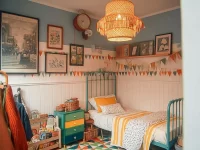
Using color to define activity zones is one of the best interior styling tips for families with kids at different ages. Instead of painting an entire room in a character motif that will be outgrown, consider dividing the space into color zones: a calming blue corner for reading, a lively yellow area for crafts, and a neutral backdrop for sleeping. This approach works because it gives each child a sensory cue for how to use the space and makes transitions easier when interests change. To apply it at home, test swatches on poster boards and place them near furniture during different times of day to see how light shifts the mood. In our house, the kids helped choose their zone accents over a weekend paint session, which felt like a tiny rite of passage and kept them invested in caring for the space. These simple color strategies are practical home décor ideas that bring personality without clutter.
Section 2: Furniture that adapts as kids grow
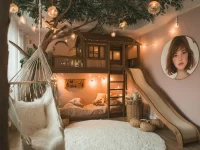
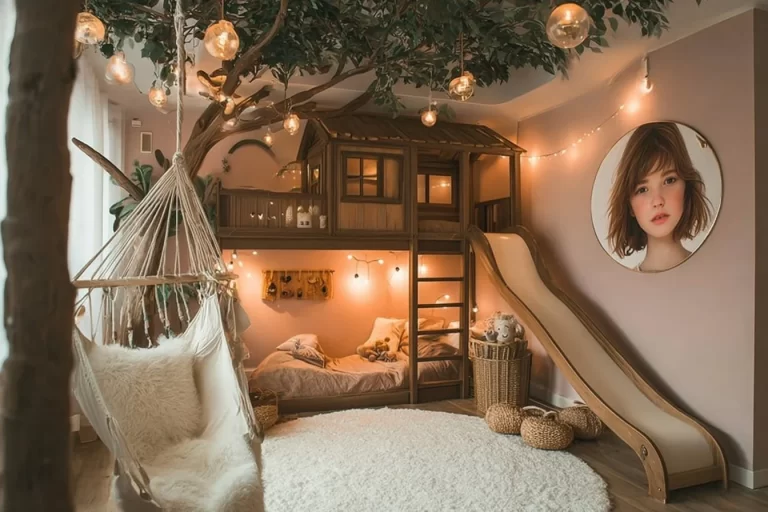
Investing in flexible furniture is a saving grace for parents who want longevity from purchases. Think convertible cribs and beds, modular shelving, and desks that adjust in height. These pieces work because they meet changing needs—study space, sleepovers, or a quiet homework nook—while keeping floor clutter down. When shopping, prioritize solid frames and easy-to-change textiles so you can update the look without replacing the whole piece. At home, measure the room and plan a clear pathway so play can happen without moving heavy items. My twelve-year-old’s loft bed transformed into a study-meets-chill spot by swapping ladder storage for a comfy chair, and the eight-year-old moved from a toddler bed to a trundle during sleepover season. Flexible furniture is a smart decorating inspiration that balances budget, safety, and style for busy families.
Section 3: Storage that teaches tidy habits
Storage that looks intentional is also a parenting hack. Open cubbies, labeled baskets, and under-bed drawers reduce decision fatigue for kids and make quick clean-ups possible after pizza nights or impromptu craft sessions. This method works because it pairs function with visibility; children learn where things belong and you avoid the scavenger-hunt end to every playdate. To implement it, choose a consistent set of containers in different sizes and use picture labels for younger kids or color coding for older ones. We rotate toys seasonally and host a ten-minute “put-away party” each evening, which keeps chaos down and makes the room feel calmer for bedtime. Framing artwork above storage and leaving a low shelf for current favorites creates a tidy but lived-in look that supports family routines and teaching responsibility.
Section 4: Cozy corners for focus and calm
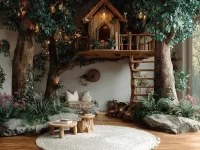
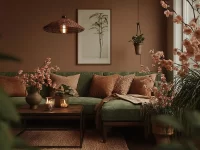
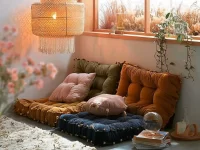
Creating a small, cozy corner—a reading nook, a listening space, or a soft play mat—gives kids a place to decompress or dig into focused activities. This idea works because everyone needs a retreat in a busy household, and intentional sensory design helps regulate mood and attention. Add a plush rug, a couple of oversized pillows, and layered lighting like a dimmable lamp or a soft string light to set the tone. In our living room-turned-extra-reading-spot, the corner transformed nightly as the kids grabbed blankets and a stack of picture books. Adding blackout curtains and a simple canopy gave the baby a calm nap zone close to our bedroom while the older kids did quiet homework nearby. Small touches like a clip-on reading light or a bedside caddy can make these corners functional for different ages. This approach blends decorating inspiration with practical comfort for growing families.
Section 5: Timeless themes with swap-friendly accents
A timeless theme keeps a room feeling curated while being easy to update as tastes evolve. Choose a neutral base color or wood tone, then layer in accents—pillows, rugs, framed prints—that reflect a child’s current passions. This strategy works because it avoids expensive makeovers while letting the room stay fresh. To apply it, pick two or three accent colors and find textiles or art in those hues; use removable wall decals or framed poster frames for art swaps. My kids loved curating a seasonal art shelf where friends and family could add small pieces, and we rotated throw pillows from a neutral palette to match new interests. Incorporate family-made art to personalize the room and anchor it in your family’s story. Using plants, carpets, and washable fabrics keeps the space healthy and durable, helping these decorating inspiration choices last through many childhood stages.
Conclusion
If you enjoyed these ideas and want more inspiration for children’s spaces, try pairing a favorite corner with storytime finds from your local library. For a quick dive into kid-friendly books and decor resources, check out this collection of Titles owned by Pflugerville Public Library. Save this pin, try one change at a time, and come back when you need fresh decorating inspiration or practical interior styling tips that fit how your family really lives.
0 Comments