

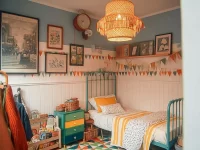

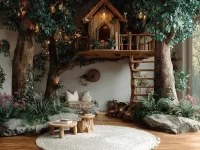
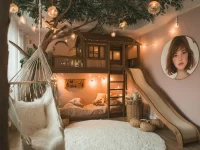






I still remember the Saturday morning when my neighbor Mrs. Carlson knocked on our door with a plate of cinnamon rolls and a laugh about the toy avalanche that had spilled into her yard. As a mom in my forties with two kids between eight and twelve, our house is a constant rotation of homework, soccer cleats, and late-night fort-building. Those small moments taught me that a playroom should feel like an invitation, not a battleground. I borrowed calming paint cues from other rooms like these cozy calm bedroom ideas and mixed them with practical storage, so after school the kids know exactly where to put puzzles and plush friends. It made our days smoother and our evenings together more relaxed, and that same gentle logic can help you shape a playful, stylish space without stress.
Section 1: Reading Nook Retreat (and Storybook Display)
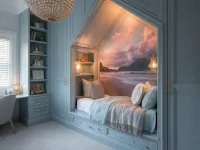
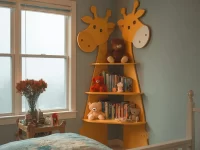
A cozy reading nook is a simple way to add charm and purpose to a playroom. Why it works: it creates a quiet corner for independent play and literacy development, giving kids a space to decompress. How to apply it: tuck a small upholstered chair or beanbag by a window, layer soft rugs, and install low shelves at kid height so they can grab books easily. Add a storybook display with covers facing forward to spark curiosity. In our home, the kids rotate their favorite chapter books each week, and neighbors stop by for impromptu story swaps after bike practice. From a home décor ideas perspective, this combines function with visual warmth, and the result feels like a mini library that supports both reading and family routines.
Section 2: Art Studio and Display Gallery
Turning a corner into an art studio supports creativity and keeps supplies contained. Why it works: designated art zones encourage ongoing projects and reduce clutter in the rest of the house. How to apply it: add a washable table, mounted cups for brushes, and an easy-clean mat on the floor. Hang a rotating gallery above a low rail or wire so kids can clip up their masterpieces, proud and visible. Use washable paints and labeled storage bins to teach organization. I remember the time our son covered an entire sheet with painted handprints and insisted it be displayed until his birthday; small rituals like that make decorating inspiration feel personal. For interior styling tips, balance bold kid-made art with neutral wall tones to keep the room lively without overwhelming the senses. Also useful for color cues: some exterior decorating schemes inspired our palette choices, which was a fun experiment borrowing outdoor flair indoors via creative exterior décor tips.
Section 3: Teepee or Tent Adventure Zone
A tent or teepee creates instant magic and works for quiet play or imaginative stories. Why it works: it gives children a defined territory for pretend play and a place to gather with pals. How to apply it: choose a sturdy frame tent for safety, add fairy lights, floor cushions, and a basket of favorite books or toys inside. Place it near a set of shelves so kids can easily bring treasures in and out. Our daughter often invites the neighborhood kids over for “campouts” with homemade s’mores by the kitchen, and the tent becomes a social hub that also teaches sharing. For decorating inspiration, mix textures like canvas and woven rugs to build a layered look that feels curated. This setup blends playfulness with practical storage solutions so cleanup is part of play.
Section 4: Montessori-Style Low Storage and Play Zones
Implementing Montessori principles keeps the playroom accessible and empowering. Why it works: low shelves and labeled baskets encourage independence and reduce parental prompt fatigue. How to apply it: install open shelving at child height, use clear bins or baskets for different categories, and rotate toys to keep interest high. Include a small table for puzzles and tactile play, and a soft corner for quiet time. Our routine improved dramatically after we kept puzzles in a visible tray and named the basket it lived in; the kids began tidying up before dinner because it felt doable. For interior styling tips, pick natural materials like wood and woven fiber to create a calming backdrop that complements colorful toys without competing with them. This approach merges practical storage with thoughtful home décor ideas.
Section 5: Chalkboard and Magnetic Learning Wall
A dedicated wall for drawing, math games, and magnetic letters makes learning playful. Why it works: it transforms walls into active learning surfaces while keeping counters clear. How to apply it: paint one wall with chalkboard paint or affix a large magnetic sheet, and keep chalk, erasers, and magnets in a slim tray below. Use the wall for daily challenges, grocery list games, or family notes. Our son loves drawing a “menu” on Saturdays, and it became a family ritual to vote on the weekend special. For decorating inspiration, frame the chalk area with a simple wooden border to make it look intentional and stylish. Pairing this wall with floating shelves for baskets keeps supplies handy and ties the look into your overall home décor ideas.
Section 6: Themed Zones and Flexible Storage
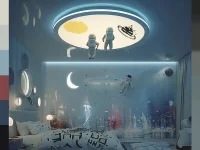
Create themed corners like space, jungle, or vintage play to spark imagination without permanent commitment. Why it works: themes can rotate as interests change and they make the room feel curated. How to apply it: designate a small area for each theme with removable decals, themed baskets, and specialized props like telescopes or plush animals. Use modular storage so zones can shift easily, and keep a neutral base so the themes pop. I recall when a space phase lasted two months straight; instead of repainting, we swapped in star decals and a glow-in-the-dark mobile, and it felt fresh every week. For interior styling tips, combine playful patterns with muted furniture so the room reads as intentional adult-approved décor while still being kid-friendly. This flexibility supports evolving tastes and keeps decorating inspiration sustainable.
Conclusion
Designing a playroom that balances fun with order is all about creating small rituals, clear zones, and kid-friendly access to toys and books. Try saving a few ideas you love, test one change at a time, and watch how simple shifts improve daily routines and family time. For more visual ideas and themed inspiration to help you plan your next refresh, check out this curated collection of 28 Fun and Themed Kids’ Playroom Ideas.
0 Comments