
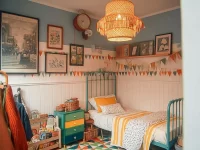

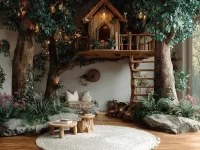
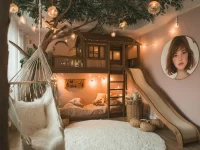











Some of my favorite memories are built around the chaos of a Saturday morning: cereal bowls on the counter, the neighbor kids barreling through the yard, and my two boys—now eight and twelve—wrangling over whose turn it is to build the biggest Lego fortress. As a mom in my forties, I’ve learned that home is less about perfect styling and more about comfy corners where stories begin. Between carpools and bedtime stories, I started thinking about ways to make our home feel calmer and more purposeful. That slow realization led to a handful of projects that balanced play, sleep, and storage without costing a fortune. If you enjoy browsing home décor ideas and need practical interior styling tips that actually work for busy families, the following ideas grew out of real life, not just Pinterest boards. For a few modern touches I borrowed from broader design trends, I referenced some practical modern bedroom ideas here: modern bedroom ideas.
Section 1 — Color Palette That Grows With Them
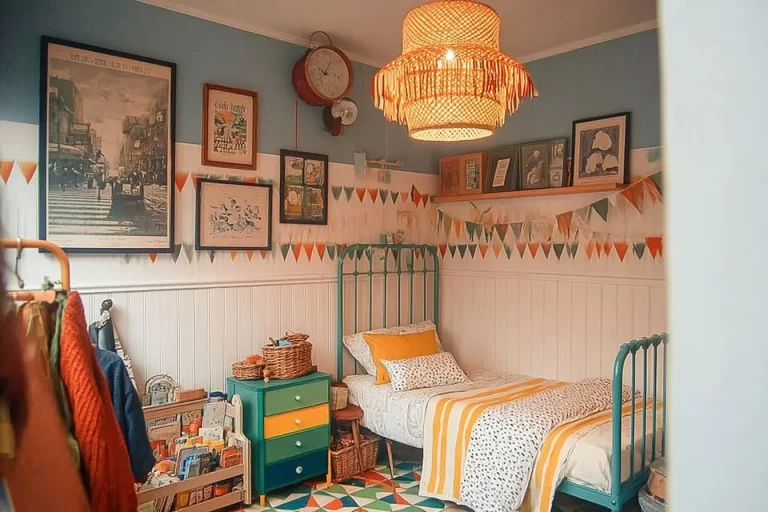
Pick a base palette that feels calm and versatile. Neutral blues, soft greens, and warm grays are less likely to feel dated as interests change. These hues create a backdrop that supports evolving decor without frequent repainting, and they photograph beautifully for Pinterest-friendly rooms. Why it works: a restrained palette reduces visual clutter so toys and art can become focal points. How to apply it at home: paint two opposing walls a muted color and keep the rest light, then add accents in brighter tones through bedding or removable wallpaper panels. Family touch: my older son requested an accent navy wall for a model-sailboat display, while the younger one loved teal for his superhero capes; both choices sat comfortably against the same neutral backdrop. This approach brings decorating inspiration into everyday life and reduces the need for constant updates.
Section 2 — Multifunctional Furniture for Small or Shared Rooms
Choose pieces that do double duty: loft beds with desks underneath, bunk beds with drawers, and storage ottomans that pull double duty as seating. Multifunctional furniture maximizes floor space for play and makes cleanup simpler, which is golden on weeknights when homework and dinner overlap. Why it works: smart furniture reduces clutter and lets kids enjoy distinct zones for sleep, study, and play without needing extra square footage. How to apply it at home: measure first, then invest in a bed with built-in storage or a desk that folds down when not in use. For a more traditional feel, mix solid wood pieces with practical laminates so you get durability and style. Lifestyle note: when we added a loft bed with a homework nook below, my middle-of-the-night helper turned into a morning independent worker, and the battles over desk space stopped. For a few cozy, related ideas check out this dreamy bedroom inspiration: dreamy farmhouse bedrooms.
Section 3 — Themed Accents That Are Easy to Switch Out
Instead of committing to a full themed room, use changeable accents like rugs, wall decals, and bedding to add personality. A galaxy-themed throw, a dinosaur lamp, or a map poster gives kids something to love and makes updates affordable. Why it works: removable elements satisfy changing tastes without major renovation, and they photograph nicely for boards focused on decorating inspiration. How to apply it at home: use peel-and-stick decals on a wardrobe or a single wall, choose a pattern rug that ties the room together, and use a couple of themed storage bins for toys. Family angle: our youngest rotated through a superhero phase into a space phase in six months; swapping bedding and a wall decal kept the room feeling fresh without repainting. For the kid who loves all things outer space, inspiration can be paired with durable basics so the theme never overwhelms the room.
Section 4 — Smart Storage That Makes Cleanup a Habit
Storage is the secret to a magazine-worthy room that still functions for everyday life. Open bins, labeled drawers, and under-bed boxes make toys and clothes easy to sort. Why it works: when kids can see and reach storage, they’re more likely to help. Clear containers or fabric bins grouped by category reduce decision fatigue for both kids and parents. How to apply it at home: install a low shelf with baskets for frequently used toys, add hook rails for backpacks, and use drawer dividers for socks and small items. Lifestyle reference: we turned cleanup into a game with a timer; the boys loved racing to put things in the right bins, and our sanity improved overnight. These strategies blend interior styling tips with practical parenting — useful for families who want a pretty room that survives real life.
Section 5 — Layered Lighting and Cozy Textiles
Lighting changes mood. Combine a bright overhead light for homework time with a warm bedside lamp for reading and softer string lights for relaxed evenings. Textiles like washable rugs, quilts, and curtains add warmth and help absorb noise in busy households. Why it works: layered lighting accommodates different activities and supports sleep routines, while textiles create a comfortable, inviting feel that makes a room feel finished. How to apply it at home: choose a dimmable bedside lamp and add a washable rug that can handle spills. Swap out heavy drapes for light-blocking liners that still let the room feel airy during the day. Family touch: our house is full of music and brotherly debates, and adding thick curtains helped dull the noise so bedtime stories became peaceful again. For bold decor with a playful edge, consider mixing practical fabrics with eye-catching accents from kid-friendly collections like this galaxy-inspired set: galaxy kids decor.
Section 6 — DIY Personalization and Growth-Friendly Systems
Encourage creativity with DIY projects that become keep-sake elements of the room. A growth chart behind the door, a framed collage of their art, or a magnetic board for rotating displays is personal and easy to update. Why it works: personalized elements build ownership and strengthen a child’s connection to their space, making them more likely to care for it. How to apply it at home: dedicate a wall or strip for rotating artwork, add hooks at kid height for jackets, and use a simple pegboard above a desk for supplies that can change with interests. Family moment: we turned a rainy afternoon into a gallery night, framing favorite drawings and letting each boy curate their shelf; they beamed, and the room instantly felt more theirs. These small, meaningful additions keep decorating inspiration rooted in family life and celebrate growth over time.
Conclusion
If you want projects that are beautiful, practical, and built around real family life, start with one change and see how it shifts routines. Save the ideas that speak to you, try one small makeover this month, and revisit elements as your children grow. For a helpful example of a full project that inspired some of these tips, check out this detailed Boys Bedroom Makeover – Making Pretty Spaces Blog: Boys Bedroom Makeover – Making Pretty Spaces Blog.
0 Comments