




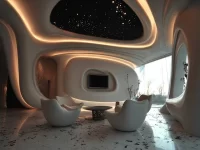
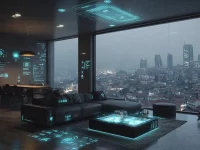
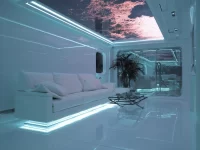

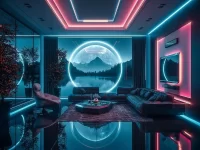
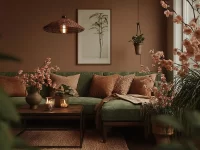


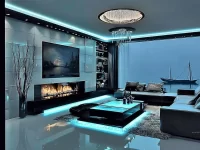

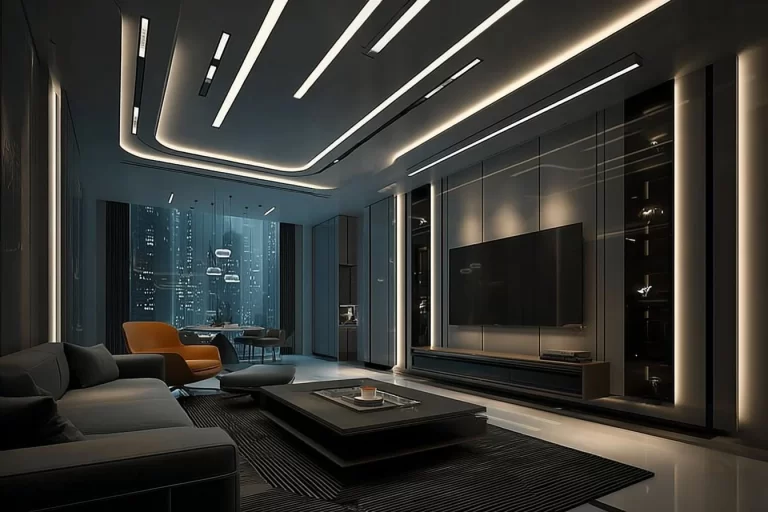

Imagine a living room that rises as much as it stretches, where verticality becomes the organizing principle and technology weaves seamlessly into every surface. A vertical high-tech living room rethinks the conventional horizontal lounge: shelving climbs like a city skyline, lighting layers ascend and descend, and interactive panels transform walls into responsive companions. This concept blends cinematic futurism with practical ergonomics to create spaces that feel both expansive and intimate. For guidance on streamlining your layout before introducing tech, consider tips to declutter your space — the clearer the base, the bolder the vertical statement.
Principles of Vertical Design
Vertical design emphasizes height, circulation, and visual continuity. Key moves include:
- Anchoring elements at different elevations (a low media console, mid-level seating, high art or projection surfaces).
- Using vertical lines and layered planes to draw the eye upward and create perceived volume.
- Integrating storage into tall, slim modules to keep floors uncluttered and surfaces available for tech.
A vertical approach benefits small footprints especially well: by mobilizing upward space, you free the floor for movement and adaptable furniture.
Futuristic Materials and Embedded Tech
Materials in a high-tech vertical living room lean toward tactile minimalism — matte metallics, anodized aluminum, engineered glass, and acoustic textiles. These surfaces double as functional tech carriers:
- OLED or microLED panels can be recessed into wall modules to serve as dynamic art, windows, or ambient displays.
- Smart fabrics on vertical panels provide touch sensitivity for controlling climate, sound, or lighting.
- Magnetic track systems allow modular screens, planters, and shelves to be rearranged without tools.
If you want a refined aesthetic that still feels rich and intentional, look into design palettes that prioritize clean lines and selective warmth; for more curated visual inspiration, explore ideas for an elegant living room design to balance futurism with comfort.
Furniture, Lighting, and Interaction
Furniture in a vertical high-tech living room should be low to medium in profile with vertical complements:
- A low seating cluster keeps sightlines open to vertical displays and lighting rigs.
- Tall shelving and slim storage towers provide rhythm and practical organization.
- Retractable or rail-mounted elements (tables, lamps, screens) can slide across heights, adapting to activities.
Lighting is layered: concealed uplighting to emphasize height, adjustable task lights for reading, and pixelated accent strips that create responsive color atmospheres. Interaction patterns lean on gesture, voice, and proximity sensors — but always offer tactile fallback controls for accessibility and reliability.
Spatial Flow and Vertical Storage
Thoughtful circulation is critical. Stairs, mezzanines, or stepped platforms can be part of the living experience, creating niches with distinct functions while preserving a cohesive vertical language. Vertical storage strategies include:
- Floor-to-ceiling cabinetry with integrated lighting and charging bays.
- Pull-down modules that reveal appliances or entertainment equipment when needed.
- Hidden cable channels and recessed power hubs to keep tech accessible without visible clutter.
Incorporating nostalgic or comforting touches — like a curated reading nook or heirloom textiles — helps balance the ultra-modern edge. For ideas on mixing sentimental warmth with structured design, see approaches to a Grandmacore living room that can be adapted into a vertical high-tech context.
Practical Implementation Tips
Start small: prototype one wall or a corner before committing to a whole-room overhaul. Prioritize modular systems so pieces can be upgraded without demolition. Engage lighting designers and AV integrators early to ensure channels, power, and acoustics are planned rather than retrofitted. Finally, keep human comfort central — ergonomics, daylighting, and acoustic privacy will determine whether a futuristic living room is livable as well as striking.
Conclusion
A vertical high-tech living room pairs ambitious spatial design with thoughtful technology to produce spaces that feel forward-looking and deeply usable. If you want a visual starting point that captures the cybernetic-meets-comfort mood, check out this evocative image of a Cyberpunk Comfort Capsule.
0 Comments