
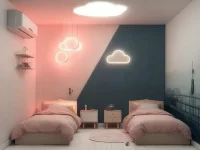
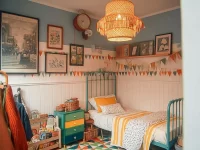

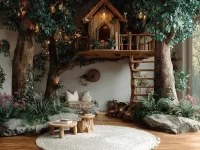
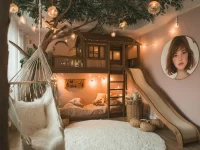





I used to juggle homework folders, soccer cleats, and the ever-present art projects on the coffee table while making a pot of coffee at 6 a.m. My days are a patchwork of school drop-offs, neighborhood bake sales, and the kind of evenings where my kids, aged eight and twelve, collapse on the couch with mismatched socks and big stories. Our apartment is where we make memories and where I want everything to feel gentle and calm, not cluttered and chaotic. I often borrow ideas from little projects I find online, like clever pallet bed ideas, and adapt them for our living room so toys have homes and cozy corners still feel grown-up. Those small changes matter when neighbors stop by with extra pumpkin muffins or when we need a quiet nook for reading after soccer practice.
-
Bright neutrals and reflective accents make rooms breathe
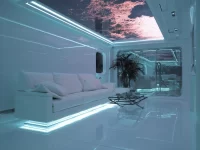
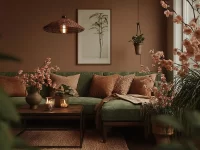
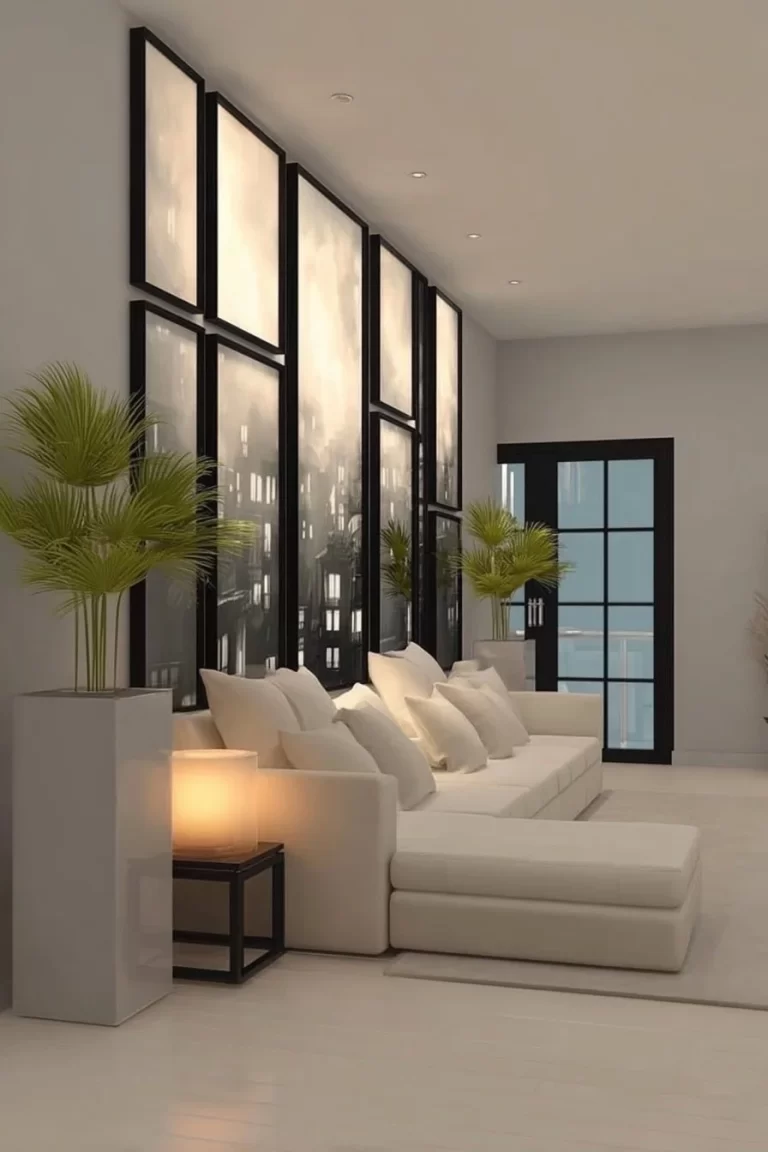
Light color schemes do the heavy lifting in small spaces. Choosing warm whites, soft grays, or pale greiges opens up sight lines and lets natural light do more work. Reflective surfaces like a low-sheen paint, glass coffee tables, or metallic lamp bases bounce light around so the room feels larger without extra square footage. Why it works: pale walls reduce visual clutter and reflective pieces lift the overall feel. How to apply it: pick one wall for a slightly warmer tone to anchor the room, then add a mirror above the sofa and a glass-topped side table near the reading lamp. Family note: I keep a low shelf for my kids to display a rotating selection of drawings so the room feels lived-in but tidy. These home décor ideas are an easy way to refresh without a full renovation.
-
Multi-function furniture keeps clutter under control
When square footage is tight, one piece can do many jobs. Think sofa beds, storage ottomans, and nesting tables that tuck away when not in use. Why it works: multifunctional pieces reduce visual noise and create flexible zones for homework, movie nights, and playtime. How to apply it: choose a slim sofa with built-in storage or add baskets under the console for blankets and board games. An ottoman with a removable top doubles as seating and a toy chest. Family note: for rainy day fort building, those nesting tables are perfect little platforms for blankets and flashlights. These interior styling tips help balance practicality with a warm, welcoming look.
-
Layered lighting creates depth and mood
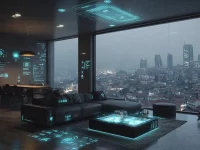
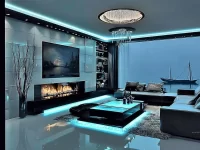
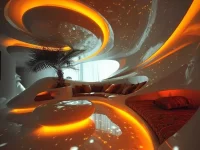
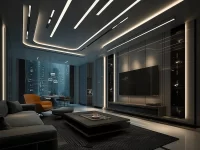
Good lighting is more than one overhead fixture. Combine ambient lighting, task lights, and accent fixtures to make the room adaptable from morning chaos to quiet bedtime stories. Why it works: layering controls glare and creates depth, helping small rooms feel larger and more intentional. How to apply it: install a dimmable ceiling fixture for general light, add a floor lamp next to the reading chair, and use wall sconces or LED strips behind shelving for subtle glow. Don’t forget plug-in track lighting if rewiring is off the table. Family note: dimmers make evening homework less harsh and movie time feel like a treat. For more ideas on stretching living space into outdoors, check out these backyard oasis ideas for outdoor living to borrow lighting cues that work inside and out.
-
Go vertical with storage and display
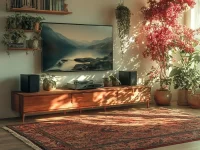
When floor space is precious, look up. Wall-mounted shelves, floating cabinets, and tall bookcases draw the eye upward and free up walking space. Why it works: vertical storage organizes items out of child reach and reduces the need for bulky furniture. How to apply it: install a narrow, tall bookcase beside the TV and use baskets to corral small toys. Floating media consoles keep electronics off the floor, while hooks near the door prevent backpacks from piling up. Family note: we keep a high cubby for seasonal items and a lower basket labeled for library books so my older child can grab and return without help. These decorating inspiration moves turn every inch of wall into usable space.
-
Define zones with rugs and low-profile seating
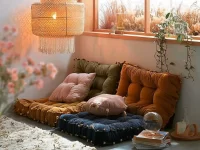
Creating visual zones makes a single room do the work of many. A well-placed rug, a slimline sofa, and low shelving can separate play, lounging, and homework areas without walls. Why it works: zones give structure so each activity has its place, reducing mess and mental clutter. How to apply it: layer a soft rug under the seating area, place a small console table behind the sofa for homework supplies, and use a bench along the window as a quiet reading spot. Family note: we use a washable rug that survives craft time and doubles as a picnic blanket for indoor movie nights. These interior styling tips help the room feel intentional and child-friendly while still elegant.
-
Mirrors and curated art give the illusion of space
Strategic mirror placement adds depth and curated art gives personality without crowding. A tall mirror opposite a window amplifies daylight, while a single bold piece of art creates a focal point without clutter. Why it works: mirrors reflect light and sightlines, and well-chosen art prevents walls from feeling bare. How to apply it: hang one large mirror at eye level above a slim console or prop a framed mirror on a shelf. For art, rotate prints in inexpensive frames so the space evolves with your family. Family note: we have a gallery shelf where my kids can swap their latest paintings in a rotation box; it keeps creativity on display but contained. These home décor ideas and decorating inspiration tips make small living rooms feel curated, not overcrowded.
Conclusion
Small living rooms are a chance to get creative with home décor ideas that match real life. Pick a couple of changes that fit your routine, like layered lighting or vertical storage, and build from there. Save this page for decorating inspiration and try one idea at a time so your space stays calm and useful for the whole family. For more tight-space inspiration, Explore My Cozy NYC Studio Apartment 🏙️ (https://www.lemon8-app.com/samiyahlateef/7255793262743568902?region=us)
0 Comments