
















I still remember the quiet afternoons spent enjoying the little routines that make a house feel like home. The soft light coming through the windows, the scent of fresh flowers, and a favorite book waiting on a chair reminded me that a bedroom should feel warm, collected, and forgiving of everyday life. For grandparents, this space is not only a retreat for relaxation but also a welcoming environment for family visits, cherished memories, and simple daily pleasures.
Creating a cozy and gracious bedroom is about more than just picking furniture or color schemes—it’s about crafting a space that supports comfort, tranquility, and function while reflecting personal style. From layered textures to practical furniture choices, every detail matters in making the room inviting and usable.
Soft Neutrals and Layered Textures
A soft, neutral palette is the foundation of a relaxing bedroom. Colors like warm whites, creamy beiges, muted grays, and soft greens create a calm backdrop that allows personal items and accents to shine. Neutrals also make small spaces feel larger and airy, providing visual relief and a sense of balance.
Layering textures is key to adding depth and warmth. Consider knit throws, linen or cotton pillow covers, woven rugs, and soft upholstered chairs. These elements provide visual interest while inviting relaxation. For grandparents, durable and easy-care fabrics are essential—they ensure comfort without constant upkeep.
Incorporate tactile layers on the bed, window seats, and chairs. A chunky throw at the foot of the bed can be used while reading or resting, while textured pillows add subtle elegance. Layered textures not only enhance the visual appeal but also create a lived-in feel that is both stylish and practical.
Vintage Finds and Timeless Charm
Vintage furniture and thrifted treasures bring a sense of history and personality to the bedroom. Items like a reclaimed dresser, a wooden rocking chair, or a classic trunk tell stories while providing functional value.
When selecting vintage pieces, focus on durability and usability. Can the coffee table withstand a cup of tea, or will a sideboard accommodate linens or books? Repurposing items—like using an old trunk for storage or a bench with hidden compartments—adds charm without compromising practicality.
These curated, timeless pieces contribute to a cozy atmosphere while connecting the room to personal and family history. Mixing vintage with new furniture ensures a cohesive look that blends tradition and contemporary comfort.
Open Shelving and Styled Vignettes
Open shelving offers both function and aesthetic appeal. Shelves can display favorite books, keepsakes, decorative bowls, or seasonal accents while keeping essentials accessible. For grandparents, open shelves can highlight memories, hobbies, or collections, turning everyday objects into a curated visual story.
Arrange items thoughtfully, grouping by color, scale, or theme. Combine practical objects with decorative pieces to balance usability and style. A low shelf can hold daily-use items, while higher shelves showcase collectibles or framed photos. Adding small DIY touches—hand-painted ornaments or crafted items from grandchildren—introduces a personal and playful element.
Styled vignettes make the space feel intentional without being fussy. Wooden trays, small baskets, or simple ceramic pieces help corral items and maintain order, ensuring the bedroom is both functional and beautiful.
Cozy Seating Clusters That Invite Conversation
Seating arrangements play a crucial role in making the bedroom feel welcoming. Instead of lining furniture against the walls, create clusters that encourage conversation and connection. Pair a sofa or armchair with a small side table and perhaps a pouf or floor cushion to offer flexible seating.
These clusters support multiple activities: reading, chatting with visiting family, or quietly enjoying tea. Adding rugs defines different areas within the room, visually anchoring seating and creating a sense of intimacy. Keep blankets and small baskets nearby for convenience, and incorporate storage options for books, magazines, or games.
Seating clusters make the space feel approachable and lived-in. They also enhance photography-friendly corners for Pinterest inspiration while remaining functional for real-life use.
Natural Elements and Greenery
Bringing natural elements into the bedroom creates a sense of calm and connection to the outdoors. Wooden furniture, woven baskets, jute rugs, and greenery add texture and warmth. Potted plants like peace lilies, snake plants, or herbs provide freshness while requiring minimal maintenance.
Displaying edible or seasonal elements, like bowls of fruit or jars of preserves, adds both beauty and practicality. For grandparents, low windowsill herb gardens or small plants can offer gentle engagement and sensory stimulation. Natural elements make the space feel alive and restorative, enhancing well-being and creating a serene retreat.
Thoughtful Lighting for Comfort and Mood
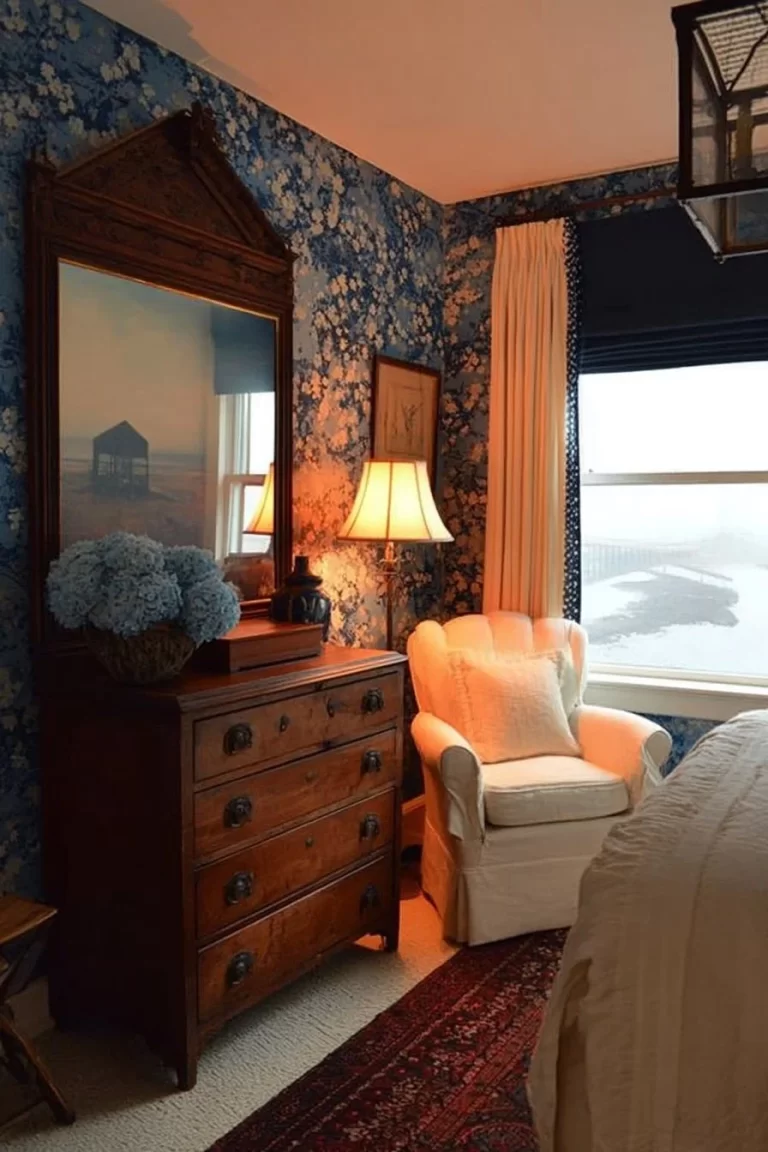
Lighting is critical in shaping the room’s atmosphere. Layered lighting—combining overhead fixtures, bedside lamps, and floor lighting—allows flexibility for different activities. Dimmable bulbs or warm-toned lamps provide comfort for reading, relaxing, or entertaining family.
Position lamps near reading chairs or seating clusters for functional light, and consider accent lighting to highlight artwork, family photos, or decorative vignettes. Soft lighting encourages relaxation, while strategic placement enhances the room’s style. For grandparents, good lighting supports both comfort and safety, making daily routines easier and more enjoyable.
Personal Touches and Memory Displays
Adding personal touches turns a functional bedroom into a meaningful sanctuary. Gallery walls, framed photographs, heirlooms, or curated keepsakes tell stories and preserve memories. Rotating items over time keeps the room fresh and allows for seasonal updates or additions from family visits.
Consistency in frame color or style maintains cohesion, while flexible displays let personal objects shine. Memory shelves, hand-made crafts, and souvenirs from family trips or local markets make the room feel lived-in and treasured. Personal touches foster nostalgia, connection, and a sense of identity, turning the bedroom into a warm and inviting haven.
Flooring, Rugs, and Window Treatments
Flooring contributes to comfort and safety. Low-pile carpets, area rugs, or layered rugs provide warmth underfoot and prevent slips. Choose natural fibers like jute, sisal, or wool for durability and texture. Layered rugs can define functional areas, such as a reading nook or seating cluster.
Window treatments balance light, privacy, and style. Layered curtains—sheer panels for daylight and heavier drapes for evening—offer flexibility. Easy-to-operate blinds or shades ensure functionality, especially for older adults. Coordinating fabrics and patterns with bedding and furniture strengthens the room’s cohesive, welcoming feel.
Conclusion
Designing a grandparents’ bedroom is about creating a space that is cozy, practical, and filled with personal meaning. By using soft neutrals, layered textures, vintage finds, natural elements, and thoughtful lighting, the bedroom becomes a sanctuary that balances comfort, style, and function. Seating clusters, open shelving, and memory displays ensure the room is welcoming for visitors while supporting quiet moments of relaxation.
Take your time implementing these ideas, one change at a time. Incorporate personal memories, seasonal accents, and practical furniture to create a space that feels alive and lived-in. The result is a gracious, inviting bedroom that celebrates comfort, family, and the beauty of everyday life.
0 Comments