







I still remember sitting at my kitchen table with my son and daughter, scissors and glue all over the place, while my husband called from the garage and our neighbor waved hello. As an American mom in my forties, those small crafting moments feel like a thread that ties my childhood to my kids’ days now. My own mother used to make simple wreaths from fabric scraps, and I love passing that on. If you enjoy hands-on home décor projects that bring family together, this friendly guide will walk you through creating a wreath inspired by romantic motifs but styled for everyday interior styling. For a quick idea on silhouette shapes that work brilliantly on wreaths and wall art, take a peek at this tutorial I once used with the kids: silhouette tutorial and templates. These decorating tips will help you make something cozy, long lasting, and full of personality.
Choose a versatile base and shape
Start with the foundation and you are halfway to a timeless piece. Instead of committing to a highly seasonal look, pick a neutral base such as a grapevine, foam, or wire frame that can be restyled. Hearts are classic and elegant as a shape, but you can also use circles, ovals, or layered shapes to echo architectural lines in your home. Actionable tip: wrap a foam wreath with neutral linen ribbon for a sophisticated backdrop, then attach a smaller heart-shaped silhouette of reclaimed wood at the lower third for visual interest. Practical example: when my daughter wanted something less pink, we painted the wooden heart muted terracotta and added dried wheat for texture. For longevity, use pins and removable hot glue dots so you can swap elements without damaging the base. These tricks keep your home décor flexible and easy to refresh.
Layer textures for a cozy, designer look
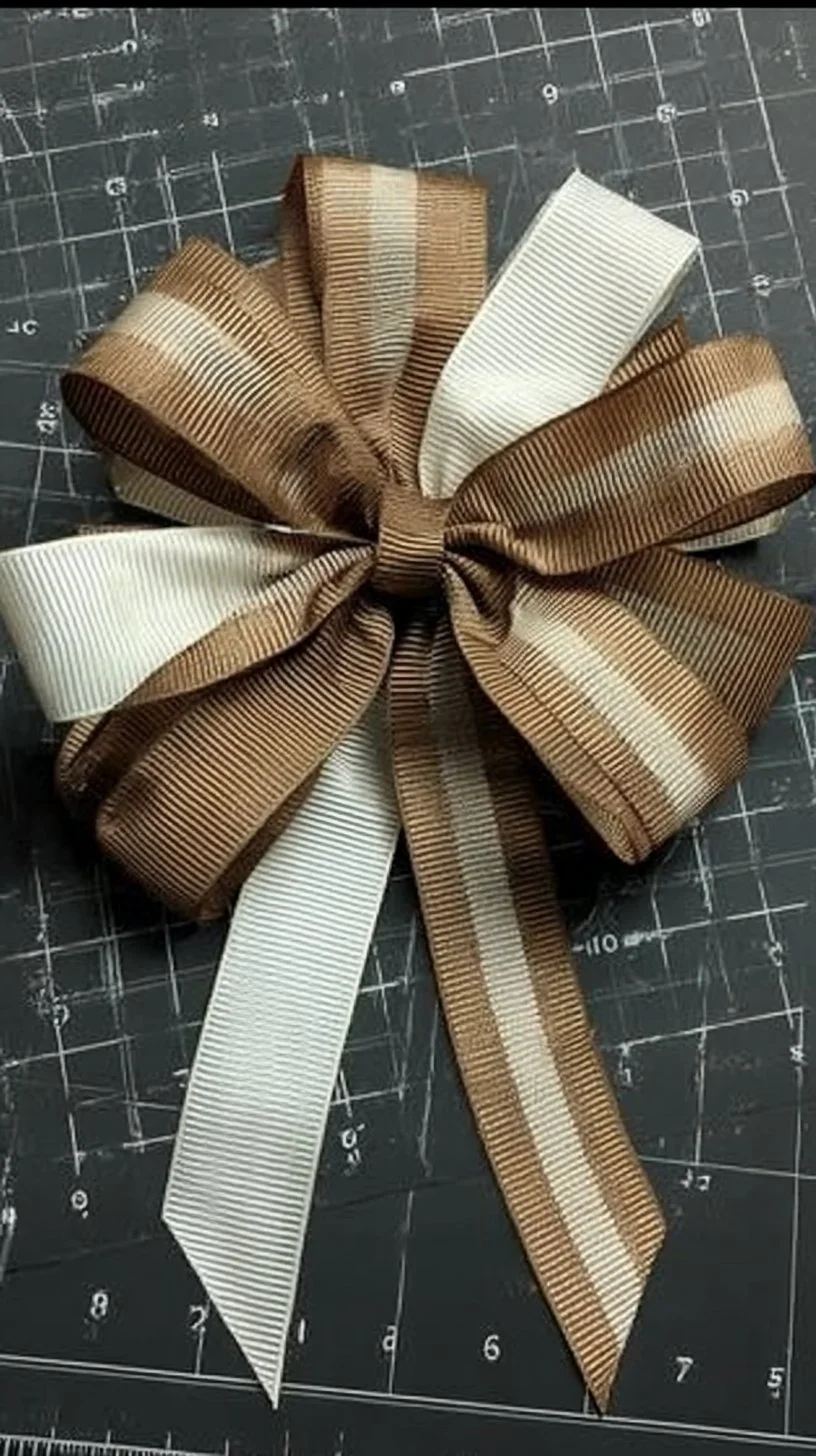
Layering is where a simple wreath becomes a statement piece for your entryway or living room. Think velvet ribbons, woven trims, faux eucalyptus, and small clusters of preserved flowers. Tip: build from largest to smallest textures — base ribbon, medium-sized foliage, then finishing touches like metallic beads or tiny wooden hearts. A personal touch: my son loved adding tiny wooden buttons he painted; it became his signature on family projects. Practical implementation: arrange textures asymmetrically by clustering foliage on one side and leaving the other side more open for balance. This approach gives interior styling a curated feel without looking overworked. You will also find that mixing matte and slightly glossy finishes creates depth, which photographers and guests both notice.
Pick a color palette that fits your home décor
Color choices determine whether your wreath feels like a seasonal prop or an everyday accent. For home décor that blends with many rooms, choose a base of warm neutrals — warm ivory, soft taupe, or dusky gray — and add one or two accent colors like soft blush, deep burgundy, or a muted teal. Actionable suggestion: use a swatch of paint or fabric pulled from a nearby sofa cushion to ensure harmony. Anecdote: once I matched ribbon to a curtain stripe and the wreath suddenly looked intentional, like part of the room rather than an add-on. For bolder interiors, metallics like brass or pewter provide a touch of polish without screaming holiday. These decorating tips help you integrate the wreath into your overall interior styling plan.
Display and placement ideas that make an impact
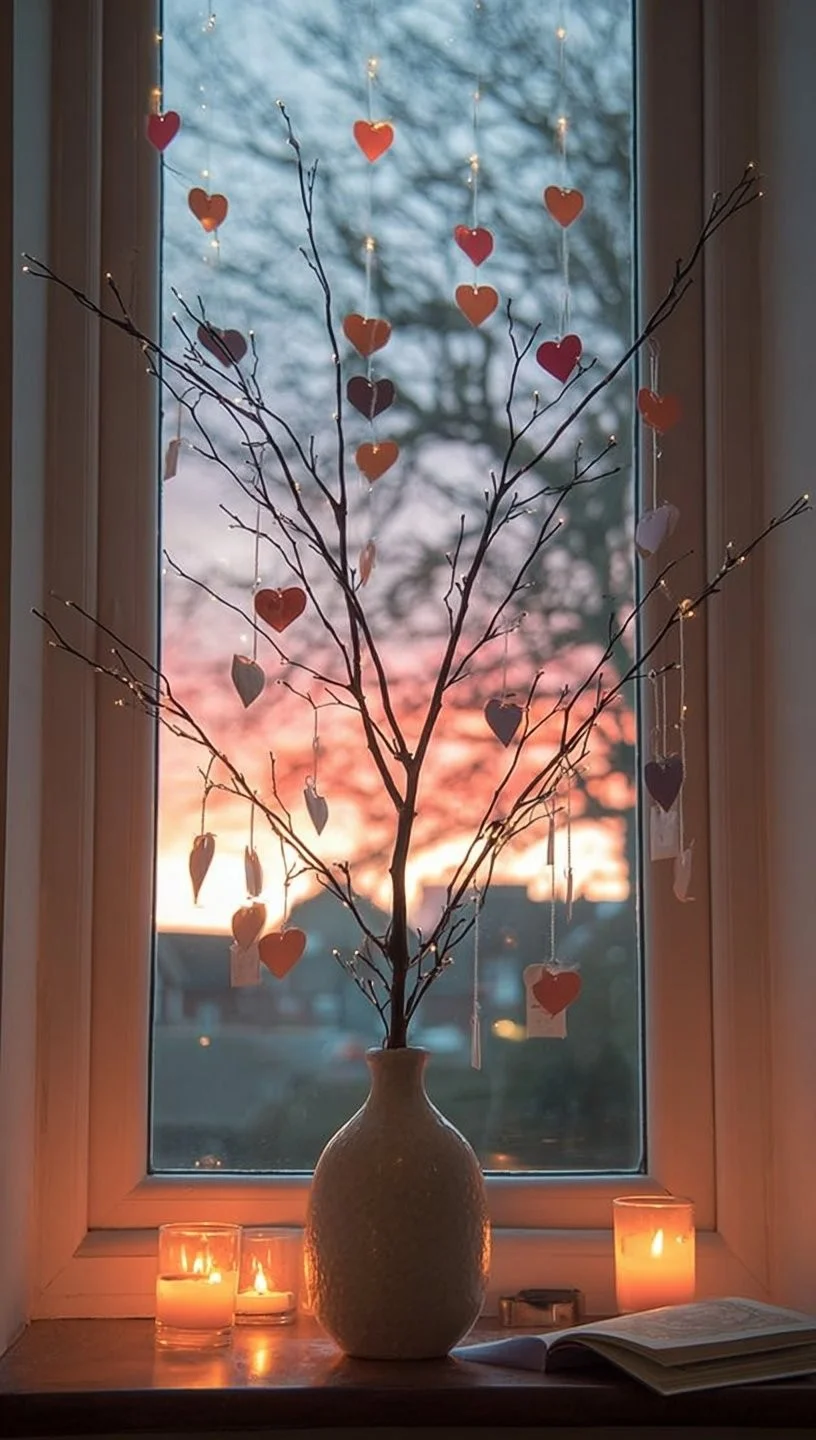
Where you hang a wreath changes how it reads in your home. Over a mantel it becomes a focal point, in an entryway it offers welcoming charm, and in a breakfast nook it adds a cozy, conversational detail. Practical tip: use command hooks or decorative ribbon loops to hang the wreath at eye level for the room’s tallest person, usually about 60 to 66 inches from the floor in American homes. Another idea: create a gallery ledge where a small wreath leans against framed art for an easy, swap-friendly vignette. Family angle: involve the kids in choosing placement; my son loves the hallway because he can show friends. These placement tricks allow your wreath to serve as a lasting element of interior styling while offering fresh inspiration for other décor swaps.
Make it modular and kid-friendly for long-term use
Think ahead to storage, swapping, and repurposing so the wreath becomes a project that grows with your family. Use removable accents attached with loops or brooch pins so you can change color or motif without rebuilding the entire piece. Practical step: craft 3 to 5 detachable clusters — a neutral foliage cluster, a fabric heart cluster, a metallic ornament cluster — and store them in labeled boxes. This makes seasonal refreshes or themed updates easy without big time investments. Kid-friendly suggestion: assign small, safe tasks to your 8 to 12 year olds, like threading beads or arranging faux flowers; my daughter handles ribbon bows and feels proud of that role. These strategies keep your wreath practical, inspiring, and integrated into your home décor rotation.
Conclusion
I hope these decorating tips give you confidence to create a wreath that doubles as long-term home décor and family keepsake. For step-by-step inspiration and a full tutorial that sparked some of these ideas, visit DIY Valentines Wreath – Stacy Risenmay. With a few swaps in materials and color, a simple wreath can offer endless interior styling inspiration that feels personal and timeless.
0 Comments