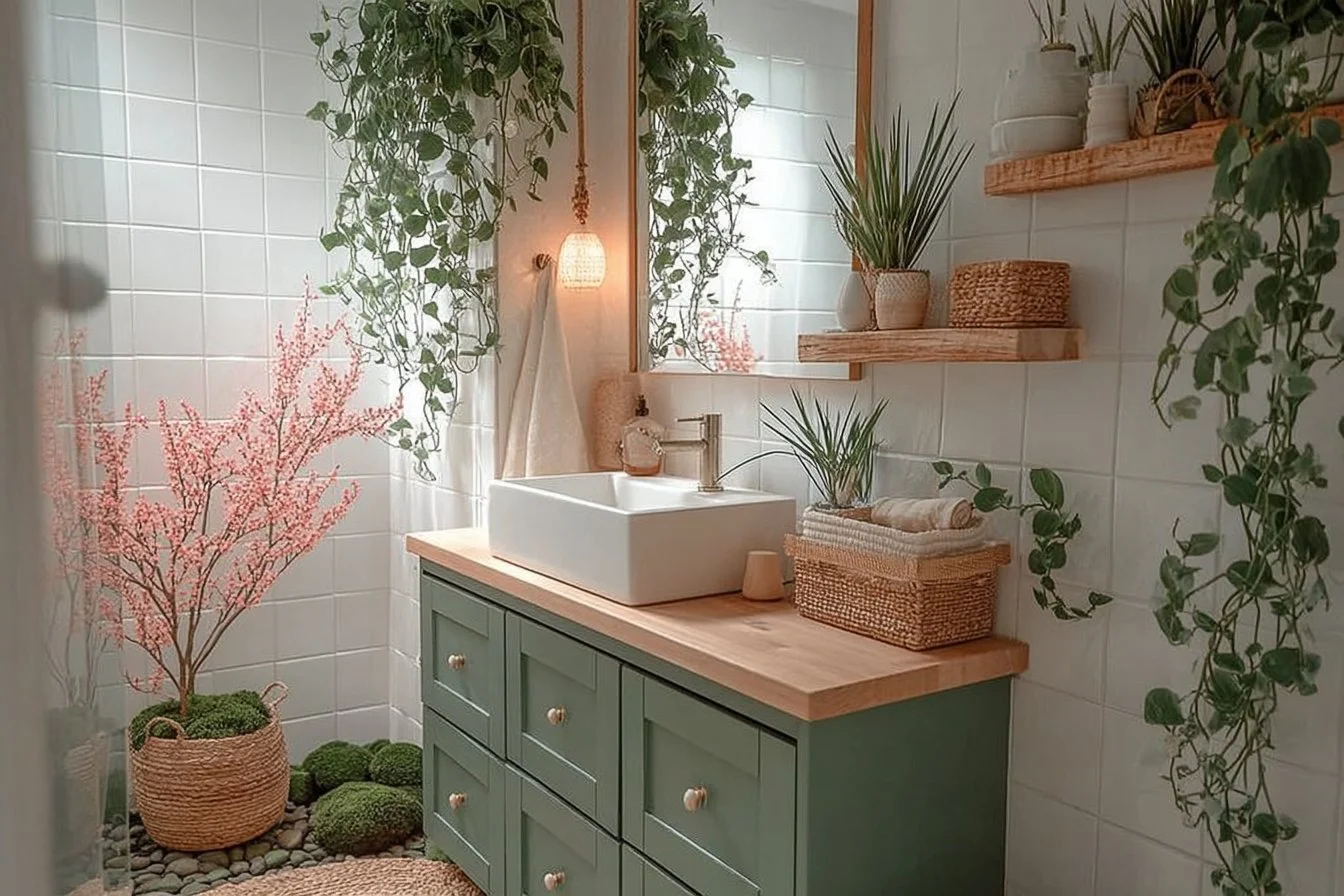
I still remember stacking lunchboxes in the kitchen while telling my son about his school play and reminding my daughter to finish her math; mornings in our suburban cul-de-sac are a choreography of backpacks, bikes, and friendly waves to the neighbors. At forty-two, I like the little routines that make our house feel like home: pancakes on Saturdays, bedtime stories that stretch a little too long, and the quiet, half-empty moments when the kids are at school and I finally sip my coffee. Those in-between spaces made me rethink our rooms — especially the bedrooms — and how a calm palette can actually invite more family life rather than less. If you need refreshing decorating inspiration, I even found tips for creating a neutral bathroom that feels like a spa that inspired the same relaxed vibe for our sleeping spaces.
Soft Layered Textures for Cozy Calm
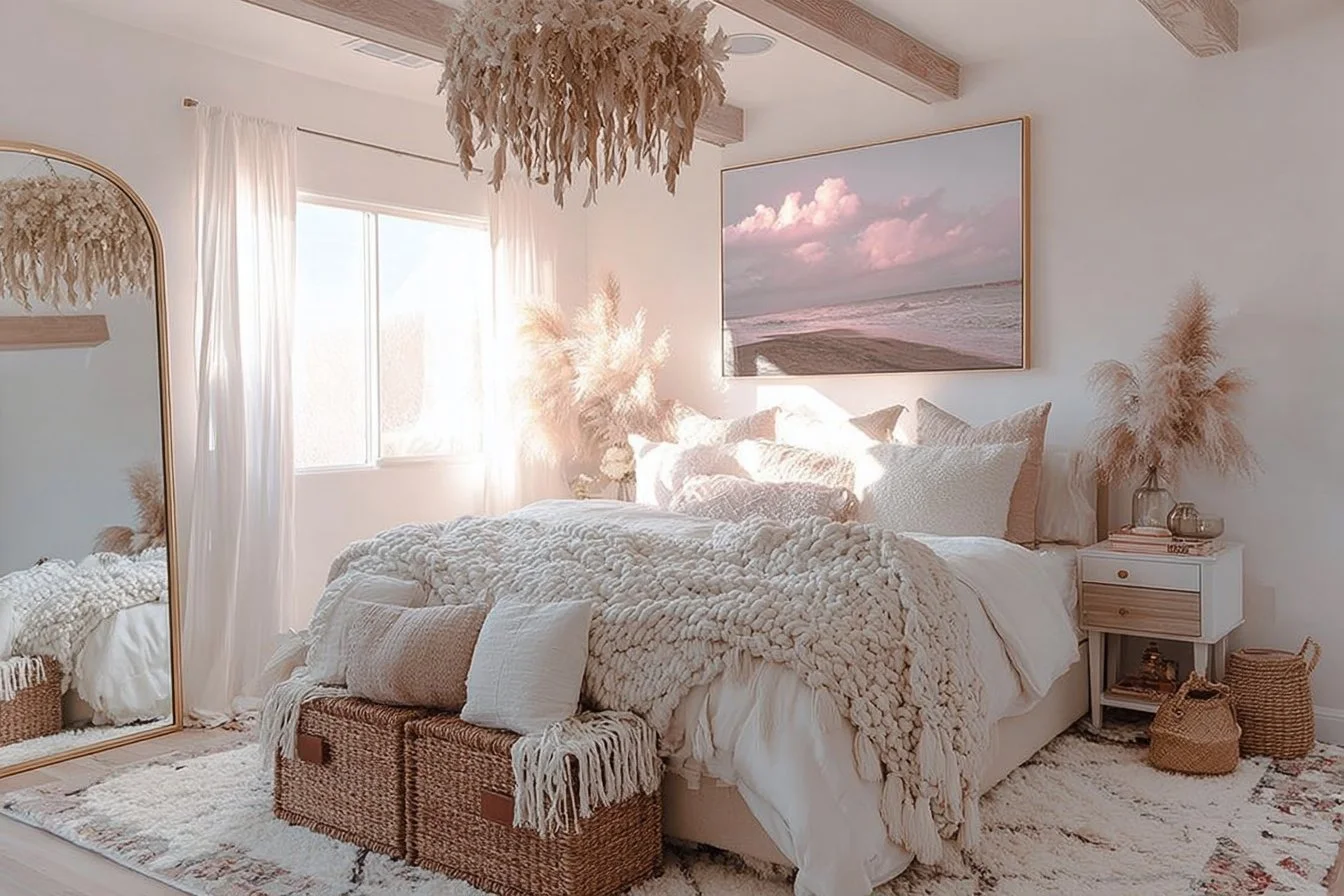
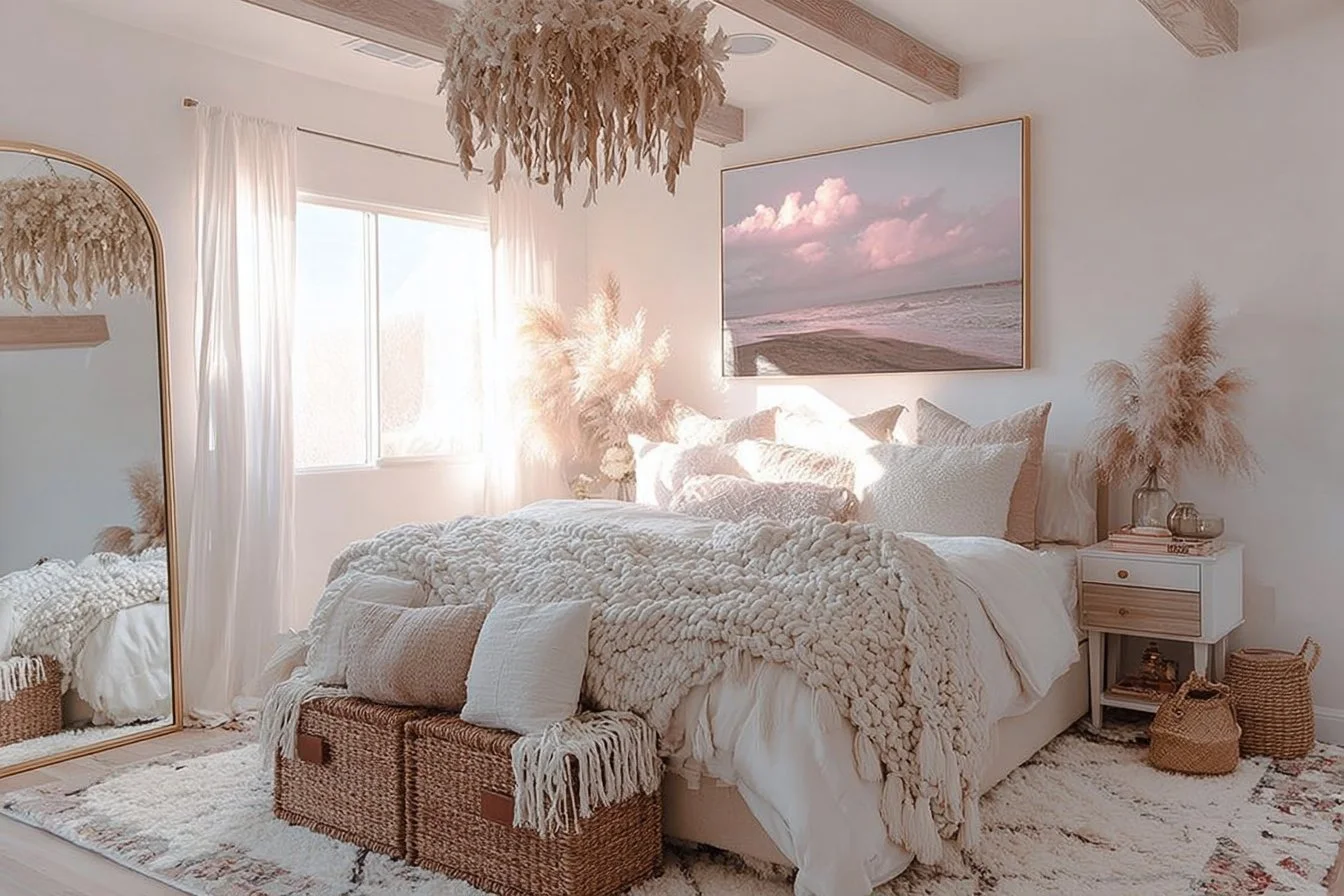
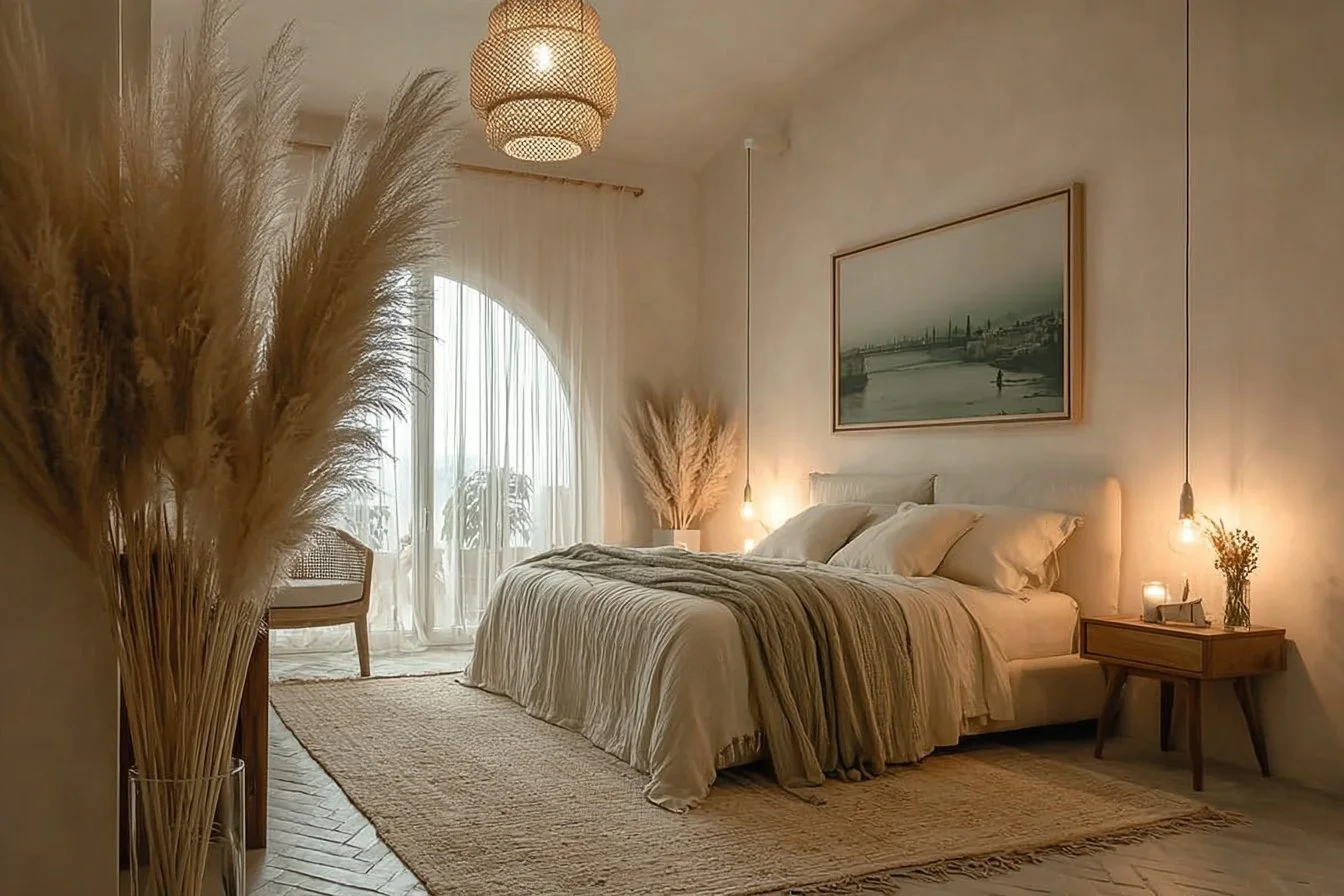
A bedroom that feels neutral but not boring often starts with texture. Think woven throws, linen sheets, and a low-pile rug layered over hardwood. Visually, texture adds depth to a limited palette and keeps the eye engaged without loud color. Emotionally it signals warmth and comfort — perfect for kids returning from a long day of school or a spouse who needs to unwind after work. To apply this at home, pick a neutral base like cream walls and add three different textures: a knit blanket, a linen duvet, and a jute rug. My daughter loves flopping onto the soft pile after homework, and the textures hide the small spills and fingerprints of everyday family life.
Monochrome Mood with Natural Accents
Using one dominant neutral tone and punctuating it with natural materials keeps a room unified yet interesting. A palette of warm greige or soft taupe looks sophisticated and calming. Add wooden nightstands, a wicker basket for toys, and a potted plant to bring a hint of life. This works visually because the eye appreciates repetition, and emotionally it creates a restful retreat for bedtime routines. We swapped mismatched furniture for a cohesive monochrome look and suddenly the room felt larger and more serene, which made reading together before lights-out an easier ritual.
Statement Headboard Without Loud Color
A headboard can be the focal point in a neutral room without introducing bright hues. Opt for a sculpted upholstered headboard or a reclaimed wood panel for visual interest. It grounds the bed and provides a cozy backdrop for storytime or late-night chats. Practically, an upholstered headboard also softens noise, which is helpful when the kids are winding down and the rest of the house is still busy. To create this look, choose a fabric in a neutral shade and add a couple of different-sized pillows in similar tones to make the bed feel intentional and lived-in.
Soft Lighting Layers for Gentle Evenings
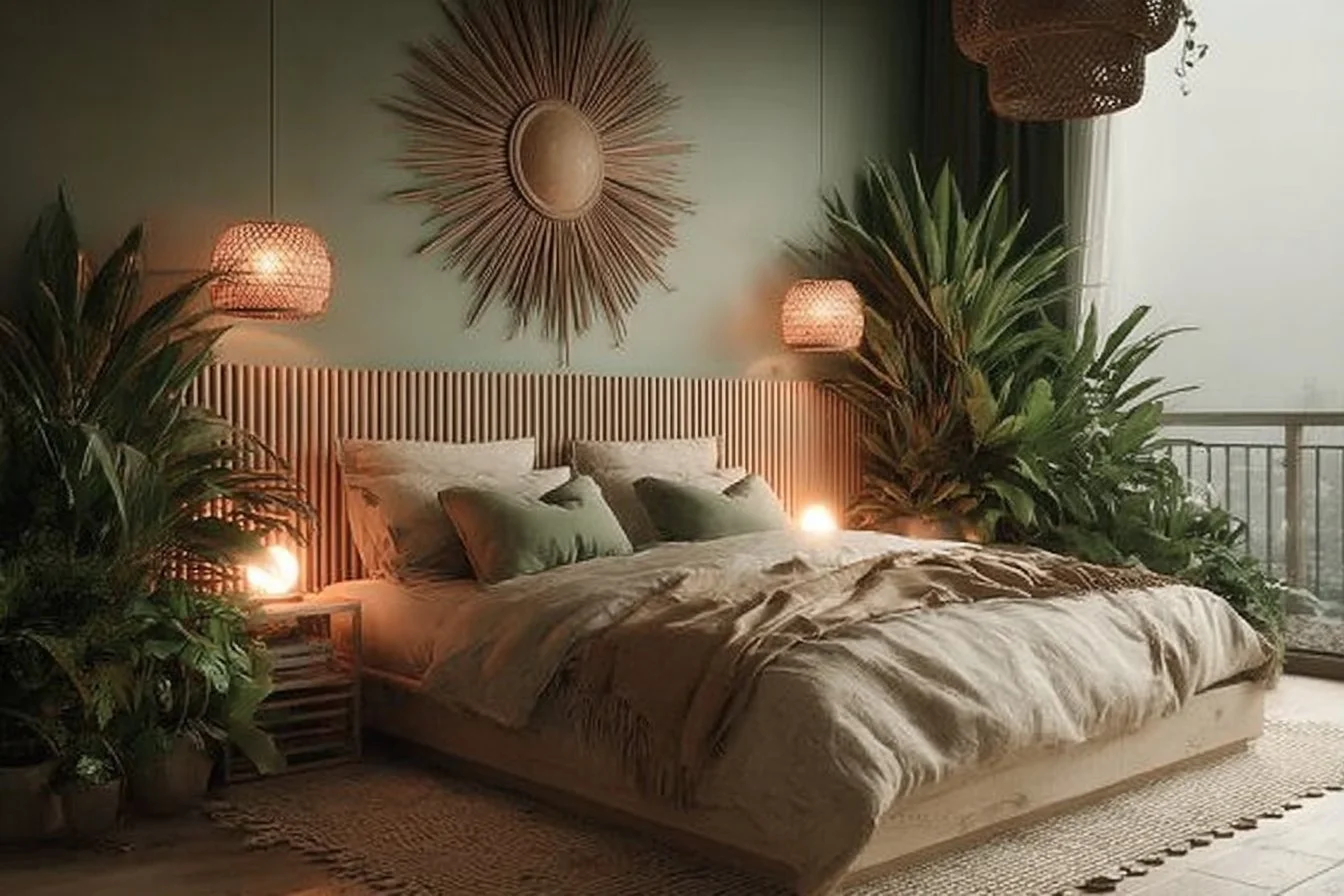
Layered lighting is a simple way to keep a neutral bedroom engaging after sunset. Combine ambient ceiling light, bedside lamps with warm bulbs, and a small task light for reading. Warm lighting enhances neutrals, making creams and beiges feel comforting rather than flat. For family life, dimmable bedside lamps let you ease into bedtime rituals, whether it is tucking the kids in or having a quiet moment with your partner. Install a lamp with a soft shade on each side of the bed so nightly routines feel intimate and relaxed.
Minimal Art That Tells a Story
Neutral does not mean blank walls. Curate a few pieces of art in muted tones that reflect family memories: a favorite landscape print, a framed child’s sketch, or a vintage photograph. These pieces create focal points and emotional anchors without clashing with the palette. Visually, limited-color art keeps the room cohesive; emotionally, it reinforces belonging. We hung a simple frame of our family’s favorite beach photo above the dresser, and now the morning routine feels like a small ritual of gratitude before the day begins.
Functional Furniture with Soft Lines
Choose furniture with simple silhouettes and soft edges to keep a neutral room feeling inviting. Rounded bedside tables, a low dresser, and a bench at the foot of the bed make the space practical for morning overtime and kids’ sleepovers. The softer shapes are less formal and more kid-friendly, which is great for families who need durability and calm. When we replaced a sharp-cornered table with a rounded one, the room instantly felt gentler and safer for little feet running at dawn.
Textured Window Treatments for Privacy and Warmth
Curtains and shades are an easy way to add personality without vivid colors. Layer linen curtains with blackout shades for a soft look that also blocks morning light when weekends mean extra sleep. Textured drapery frames windows and makes the room feel finished. For our household, good window coverings mean better naps for the little ones and a darker room for weekend sleep-ins. Choose a neutral tone that’s slightly darker than the walls to provide contrast without loudness.
Natural Materials for an Organic Feel
Incorporating rattan, wood, and stone can elevate a neutral bedroom from safe to soulful. These materials introduce subtle patterns and tones that catch the eye and feel grounded. Emotionally, natural elements bring a sense of calm and permanence, reminding us of slower moments like backyard evenings and simple family dinners. We added a wooden mirror and a small rattan lamp to give the room personality; our kids loved the tactile elements and often help dust and arrange them, turning chores into family cooperation.
Patterned Neutrals for Quiet Interest
Introduce pattern through bedding or rugs in understated motifs: thin stripes, small geometric prints, or tone-on-tone florals. Patterns provide movement and keep neutrals from feeling flat. Use patterns sparingly — one patterned quilt or a runner rug is enough to enliven the space. This is practical for families because patterned fabrics hide everyday wear and crumbs better than pure solids, and my son’s pillow with subtle stripes is both durable and stylish, surviving Lego sessions and movie nights.
Flexible Layouts for Growing Needs
Design a neutral bedroom with flexibility in mind so it adapts as kids grow. A daybed that doubles as seating, a removable side table, and storage that can shift from toys to school supplies keeps a room useful over time. Neutral tones make updates feel effortless; swap a lamp or pillow to reflect a new stage. We organized bins under the bed and left wall space for a future desk, which meant the room transitioned smoothly when my daughter started middle school, and family life stayed harmonious during the change.
Conclusion
If your home needs decorating inspiration that respects family life, a neutral bedroom can offer warmth, calm, and personality without shouting for attention. Save a few ideas you love and try them one at a time — texture, lighting, or a single statement piece can transform how the whole room feels. For practical conversations about balancing quiet evenings and family habits, I found a thoughtful husband and family communication thread that resonates with real-life routines and might offer useful perspectives.
Also try a playful crafting corner to keep kids engaged while you style — I used an easy project from an easy snowman crafts guide to create simple decor that lives well in a neutral room. Come back when you need fresh ideas and pin your favorites so your next weekend refresh is effortless.